
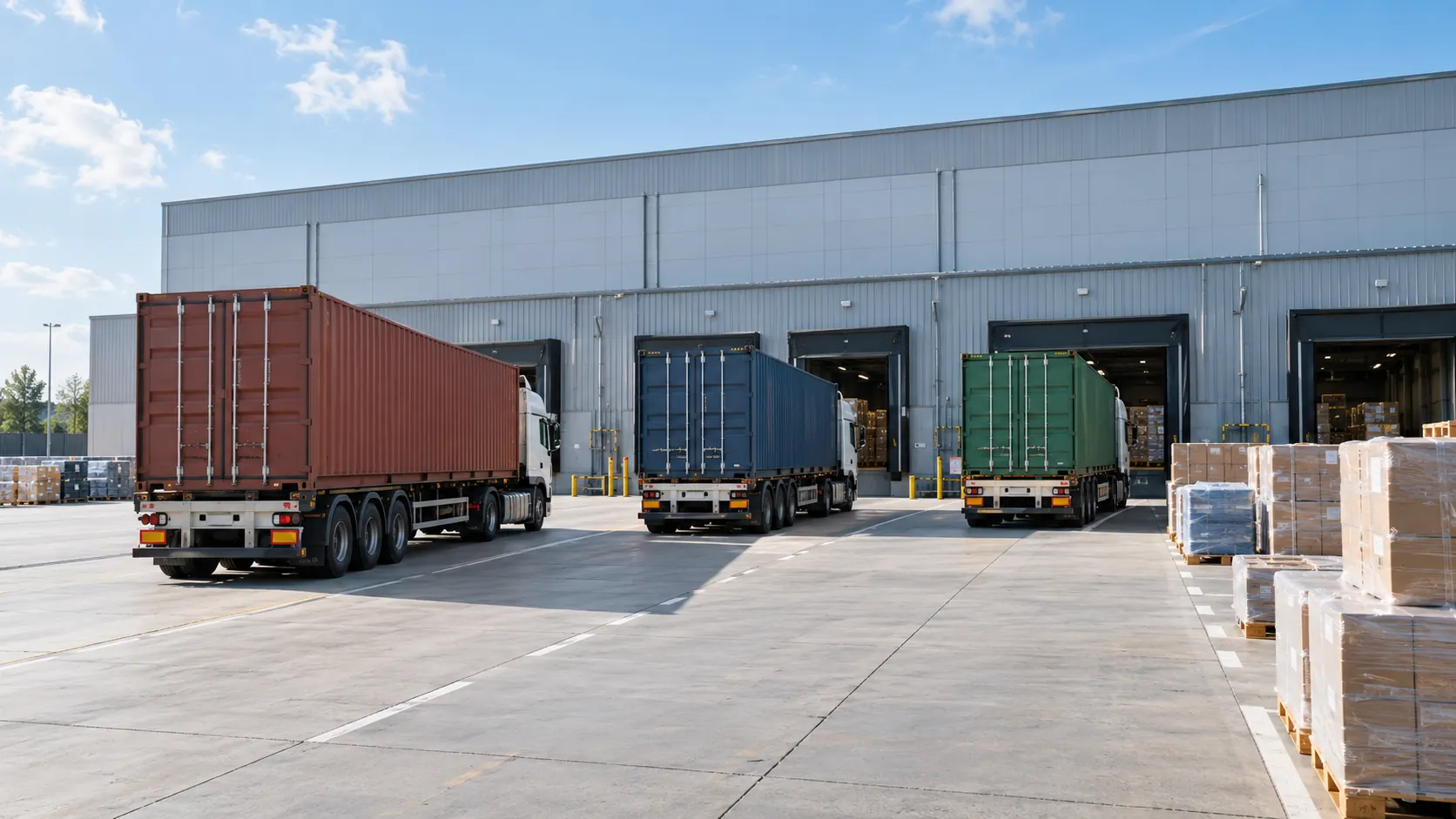
Compare quotations on the same door-to-door scope, not the ocean-freight line. A cheaper base rate can become the expensive option after destination charges, handling and delivery are added.
Practical frameworks are editorial recommendations. All worked examples are hypothetical, not client results. Confirm transaction-specific legal, tax and safety requirements with a qualified professional.
1. Make both forwarders quote the same shipment
Give each bidder identical cargo details and a named origin and destination. Ask for an itemised quotation, exclusions, validity date and the event that starts each charge.
- Provide packed dimensions, gross weight, quantity, stackability, commodity description, ready date and any special handling requirements.
- Compare pickup, export handling, main carriage, surcharges, destination handling, clearance service and final delivery; identify duties, taxes and insurance separately.
2. Calculate the comparable total
Put quotations into one currency using a documented exchange-rate date. Do not count a charge twice if it is already included. Separate confirmed charges from allowances and unresolved exclusions.
Worked example
Illustrative freight comparison, USD: A quotes 1,800 base freight + 450 origin + 700 destination + 350 delivery = 3,300. B quotes 2,100 + 250 + 500 + 300 = 3,150. B is 150 cheaper on this scope; duties, taxes and insurance are excluded from both examples.
3. Match the trade term to the handover
ICC Academy distinguishes FCA, usable across transport modes, from FOB, used for sea or inland-waterway transport. For container cargo handed to a carrier before vessel loading, review FCA rather than automatically writing FOB.
Source: ICC Academy: FCA and FOB explained
- State the chosen rule, exact named place or port and “Incoterms® 2020” in the sales contract; confirm the actual handover with your adviser.
- Check the sales contract and transport quotation together. The trade term is not a substitute for agreed service scope or a confirmed delivery schedule.
4. Price the exceptions before booking
Ask how delay, storage, inspection, failed delivery and equipment-return charges are calculated. Free-time allowances, start events and exclusions vary by provider and location; obtain them in writing.
- Confirm booking cutoff, customs-document owner, delivery appointment and empty-container return responsibility before dispatch.
- Track quoted versus invoiced total, door-to-door lead time and damage. When urgent, compare the premium for expediting only the critical quantity.